
The Hidden Gift of Leaving Your Job: Unlocking New 401(k) Investment Opportunities
What if leaving your job opened the door to investment opportunities you never knew were available?
Whether you're starting a new job, changing careers, launching a business, or navigating a layoff, leaving an employer can create financial opportunities you may not have realized existed.
One of the most overlooked opportunities involves something you've likely spent years building: your retirement savings.
Most professionals know they can transfer their old 401(k) into another retirement account. But what many don't realize is that those same retirement dollars could potentially be invested in apartment buildings, private businesses, and other alternative assets.
You may have more control over your retirement investments than you think.
Your 401(k) Isn't Limited to the Stock Market Forever

Throughout your career, you've likely contributed to a 401(k) invested in stocks, mutual funds, bonds, or other traditional investments.
These investments can play an important role in building wealth. But they're not your only options.
A Self-Directed Individual Retirement Account (SDIRA) allows you to hold a broader range of investments, including certain private real estate opportunities.
That means retirement dollars you've already accumulated could potentially be used to invest in multifamily apartment communities without purchasing a property yourself.
And here's the exciting part: You don't necessarily need new savings to get started. You may already have the capital sitting in an old retirement account.
When Can You Actually Use Your 401(k) to Invest in Real Estate?
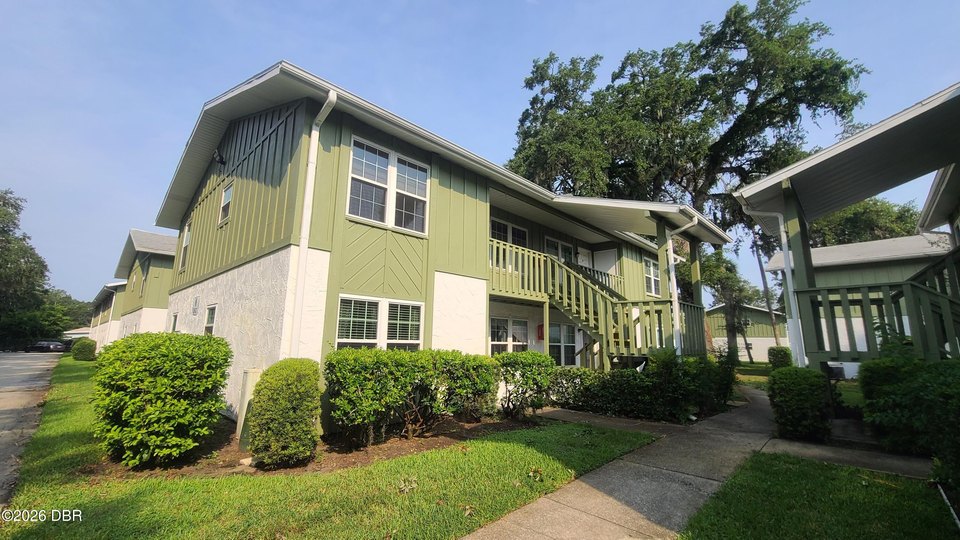
This is where leaving your job becomes particularly relevant.
When you leave an employer, whether voluntarily or involuntarily, your vested 401(k) balance generally becomes eligible for rollover into an IRA.
Instead of automatically transferring your entire balance into your next employer's retirement plan or another traditional investment account, you may be able to roll over a portion into an SDIRA.
Here's what that could mean:
You don't have to wait until retirement age. An eligible direct rollover can generally occur before age 59½ without an early withdrawal penalty.
You don't necessarily have to move everything. Depending on your plan's rules, you may be able to roll over only a portion of your eligible balance.
You can explore alternative investments. Eligible SDIRA funds may be invested in private real estate, including multifamily syndications.
You can preserve retirement account tax treatment. A properly executed rollover into a compatible retirement account generally does not trigger immediate income taxes.
Important: If you're still working for the employer sponsoring your 401(k), your rollover options may be more limited. Some plans allow in-service distributions, but the rules vary.
The key takeaway? A career transition can be the perfect time to reconsider how your retirement dollars are invested.
What Could This Look Like? A $150,000 Example
Let's say you've accumulated $150,000 in a 401(k) from a previous employer.
You've been investing primarily in the stock market, but recently you've started learning about multifamily real estate.
You want to explore apartment investing without abandoning your existing retirement strategy.
If your plan permits a partial rollover, here's one potential approach:
Retirement Allocation | Amount |
|---|---|
Remaining in your existing retirement investments | $125,000 |
Rolled into a Self-Directed IRA | $25,000 |
Total retirement savings | $150,000 |
That $25,000 could potentially be invested into an eligible multifamily syndication through your SDIRA.
You haven't withdrawn the money to spend personally. You've simply changed where a portion of your retirement savings is invested.
Now your retirement portfolio could include both traditional market investments and private real estate.
That's the power of having options.
Example for educational purposes only. Actual rollover eligibility, investment minimums, fees, and risks vary.
Invest in Apartment Buildings Without Becoming a Landlord
You might be thinking, "I don't want to manage tenants, handle maintenance calls, or renovate apartments."
You don't have to.
A multifamily syndication allows multiple investors to pool their capital to acquire and operate apartment communities.
The operating team handles responsibilities such as property management, renovations, financing, and executing the business plan.
As a passive investor, you can potentially benefit from rental income and long-term property appreciation without managing the property yourself.
And if the investment is eligible for your SDIRA, you may be able to participate using retirement funds you've already saved.
Investment distributions and sale proceeds generally return to your SDIRA, where they remain subject to the account's tax rules.
Private real estate investments involve risks, including possible loss of principal, limited liquidity, and long holding periods. SDIRAs also have custodian fees, prohibited-transaction restrictions, and potentially additional tax considerations.
Should You Move Your Entire 401(k) Into Real Estate?

Not necessarily.
At Dynasty Growth Ventures, we believe understanding your options is more important than rushing into an investment.
For some investors, maintaining a combination of stocks, bonds, and private real estate may provide diversification across different asset classes.
The right allocation depends on your financial goals, retirement timeline, liquidity needs, and risk tolerance.
The goal isn't to replace the stock market. It's to understand how your retirement savings could work for you beyond the stock market.
Your Next Career Move Could Also Be a Financial Turning Point
When professionals leave a job, they naturally focus on what's next for their careers.
But there's another question worth asking:
"What should I do with the retirement savings I've already built?"
Before automatically rolling everything into your next employer's plan or another traditional retirement account, take time to understand the alternatives.
You may discover that your old 401(k) offers an opportunity to diversify into assets you previously thought required entirely new capital.
You worked hard to accumulate those retirement dollars.
Now you have an opportunity to think differently about how they're invested.
Start Thinking Like an Owner
At Dynasty Growth Ventures, we help professionals understand multifamily real estate investing and explore opportunities to build long-term wealth through ownership.
If you're changing jobs, have an old 401(k), or want to learn how retirement funds may be used for passive multifamily investments, we'd love to connect.
Your retirement dollars may have more potential than you realize.
Disclaimer: This article is for educational purposes only and does not constitute investment, legal, or tax advice. Retirement plan eligibility, rollover rules, investment restrictions, and tax consequences vary. Consult your plan administrator, SDIRA custodian, and qualified financial or tax professional before making investment decisions.